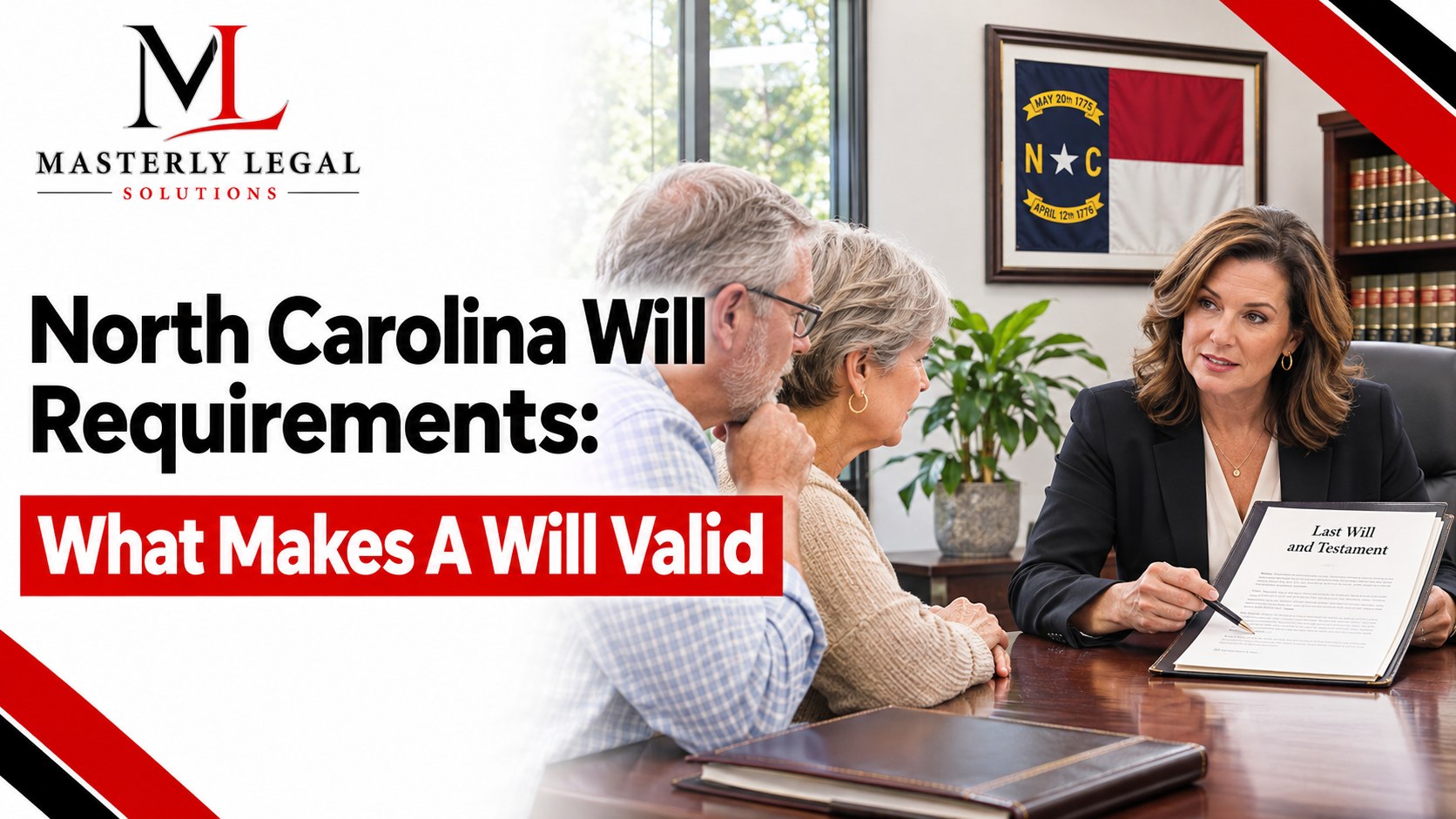
North Carolina Will Requirements: What Makes a Will Valid
North Carolina will requirements explained: who can make a will, witness rules, handwritten wills, self-proving affidavits, and mistakes to avoid.
 LawDB.aiThe Legal Directory

@masterly-legal-solutions-dallas-tx
Wills, Trusts & Probate and Employment lawyers serving Dallas, Texas.
Masterly Legal Solutions is not a Featured member, so online booking isn't available. If you run this firm, use “Claim this listing” below to start a free month and add your booking link.
North Carolina will requirements explained: who can make a will, witness rules, handwritten wills, self-proving affidavits, and mistakes to avoid.
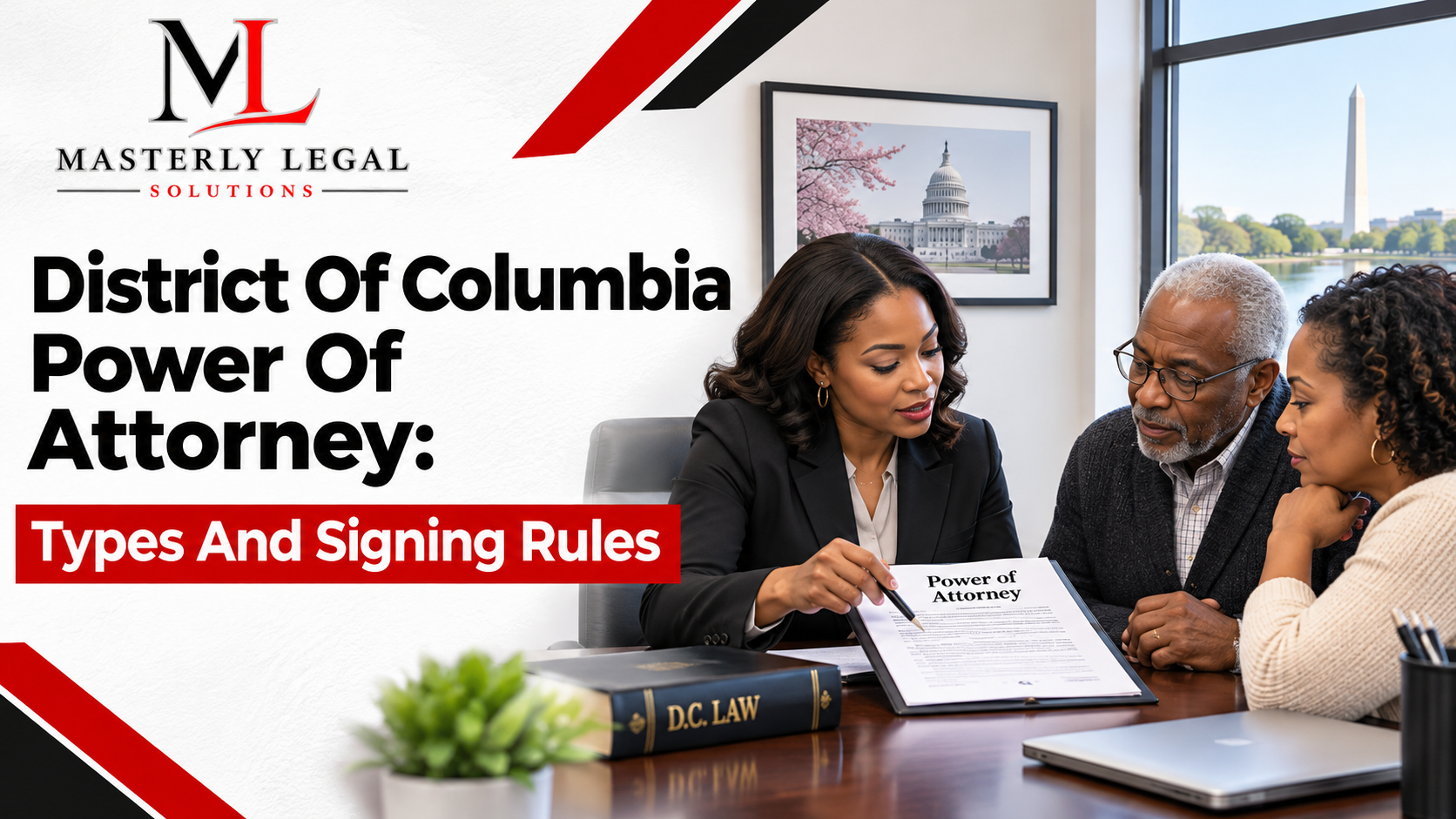
District of Columbia power of attorney explained: the main types, signing and notary rules, how to choose an agent, and when to review the document.
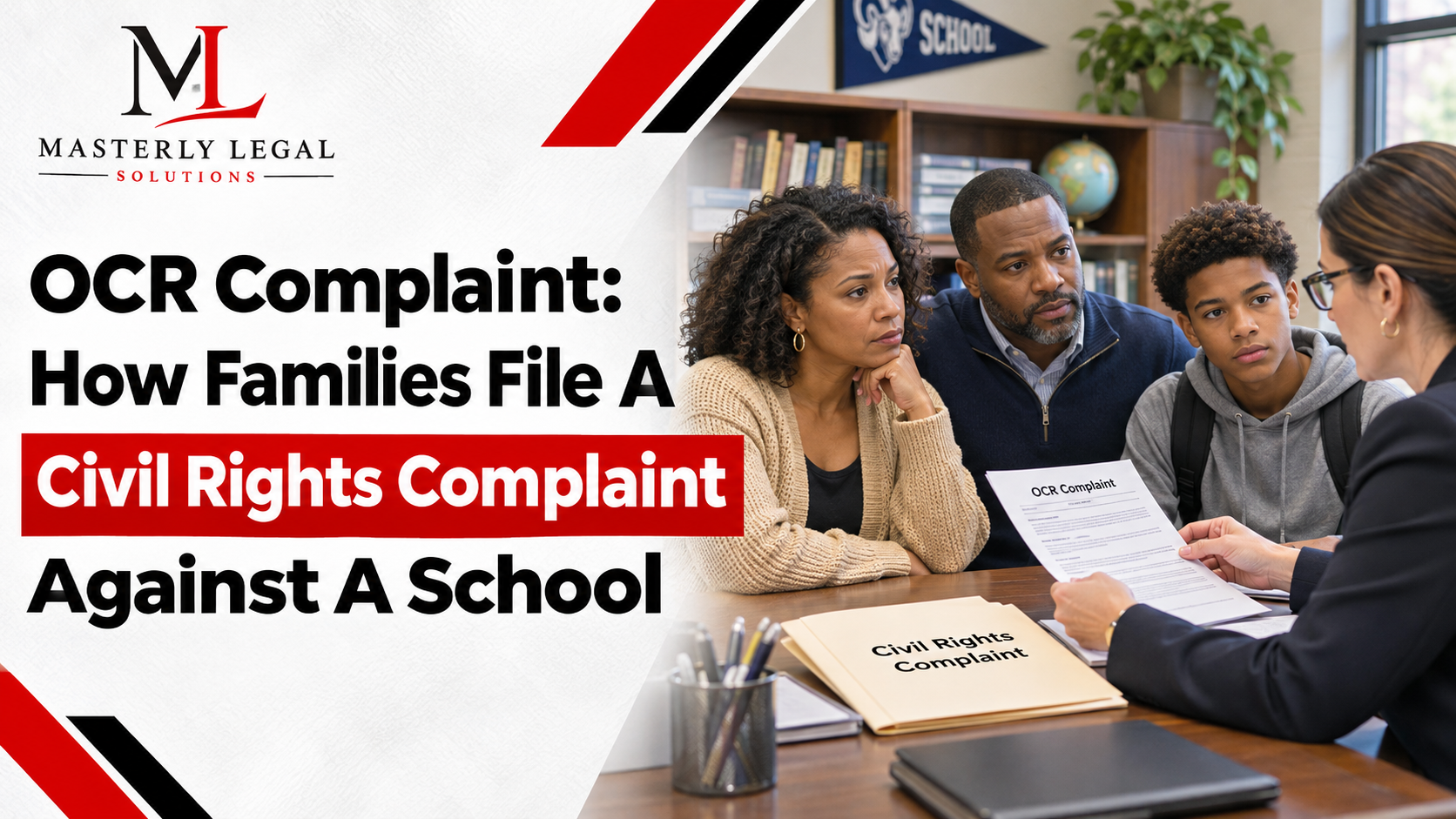
OCR complaint guide for families: what the Office for Civil Rights handles, the filing deadline, what to include, and what happens after you file.
HIPAA release form explained: what it lets family members see, how it differs from a medical power of attorney, who to name, and where to keep copies.

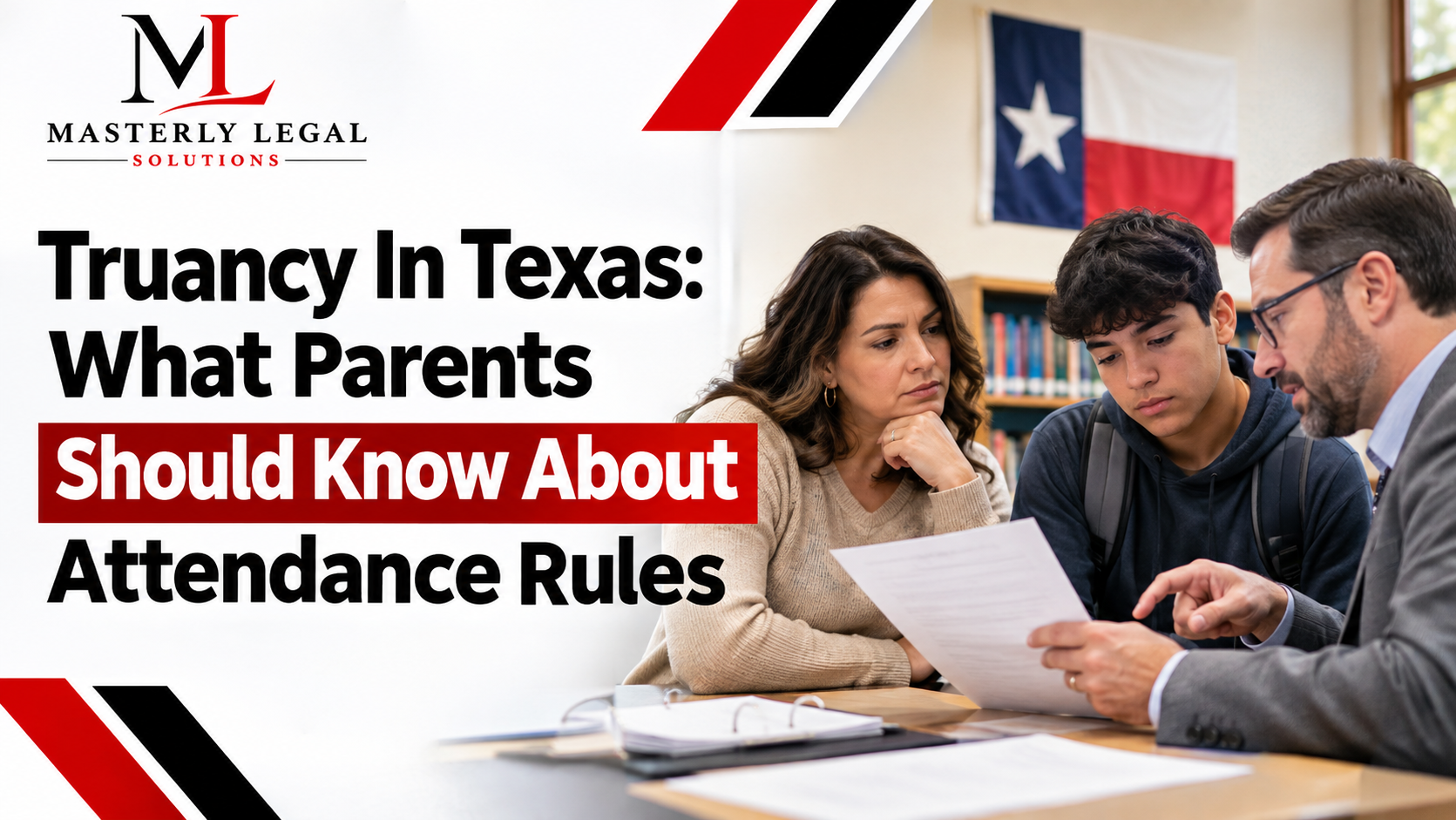
Truancy in Texas explained for parents: what attendance law requires, what a truancy letter means, the school's prevention steps, and how to respond.
Child Find in Texas explained for parents: what schools must do to identify students with disabilities, how to request an evaluation, and what comes next.
North Carolina power of attorney explained: the main types, how a durable power of attorney works, signing rules to confirm, and when to ask an attorney.

Guardianship in Texas explained for families: what a guardian does, how it differs from a power of attorney, the court process, and when to get advice.
504 accommodations explained for parents: examples used in schools, how the 504 team chooses them, how to ask for changes, and when to seek advice.

Extended school year in Texas explained for parents: what ESY services are, how the ARD committee decides who qualifies, and what to ask first.

Behavior intervention plan in Texas explained for parents: what a BIP is, how a behavior assessment fits in, and what questions to ask the school team.

Independent educational evaluation in Texas explained for parents: when you can ask for an IEE, how to request one in writing, and what a district may do.
Independent executor in Texas explained: what independent administration allows, the duties that come with it, its limits, and when to ask an attorney.
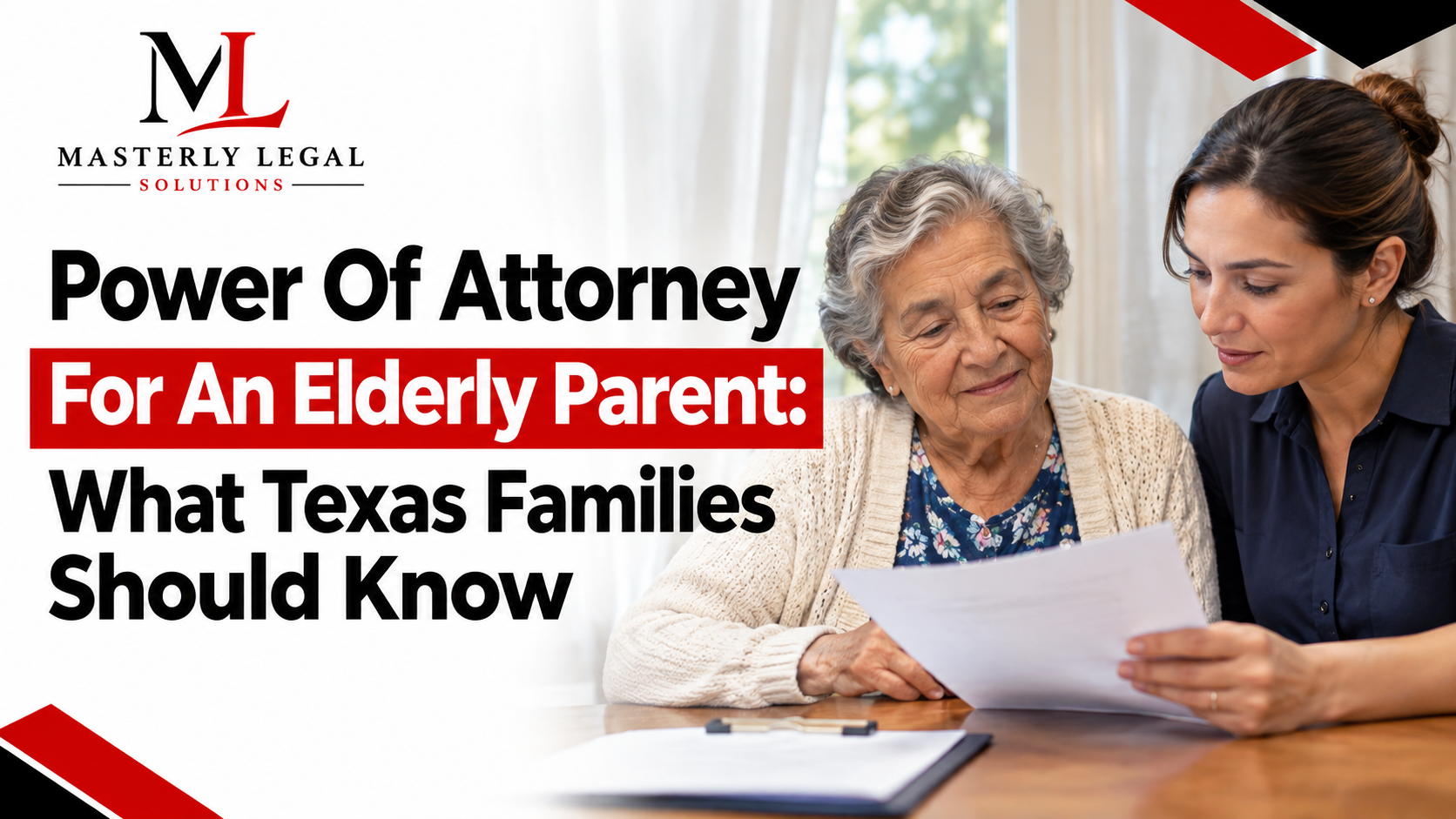
Power of attorney for an elderly parent in Texas: what it covers, signing basics to confirm, how to choose an agent, and when to talk with an attorney.
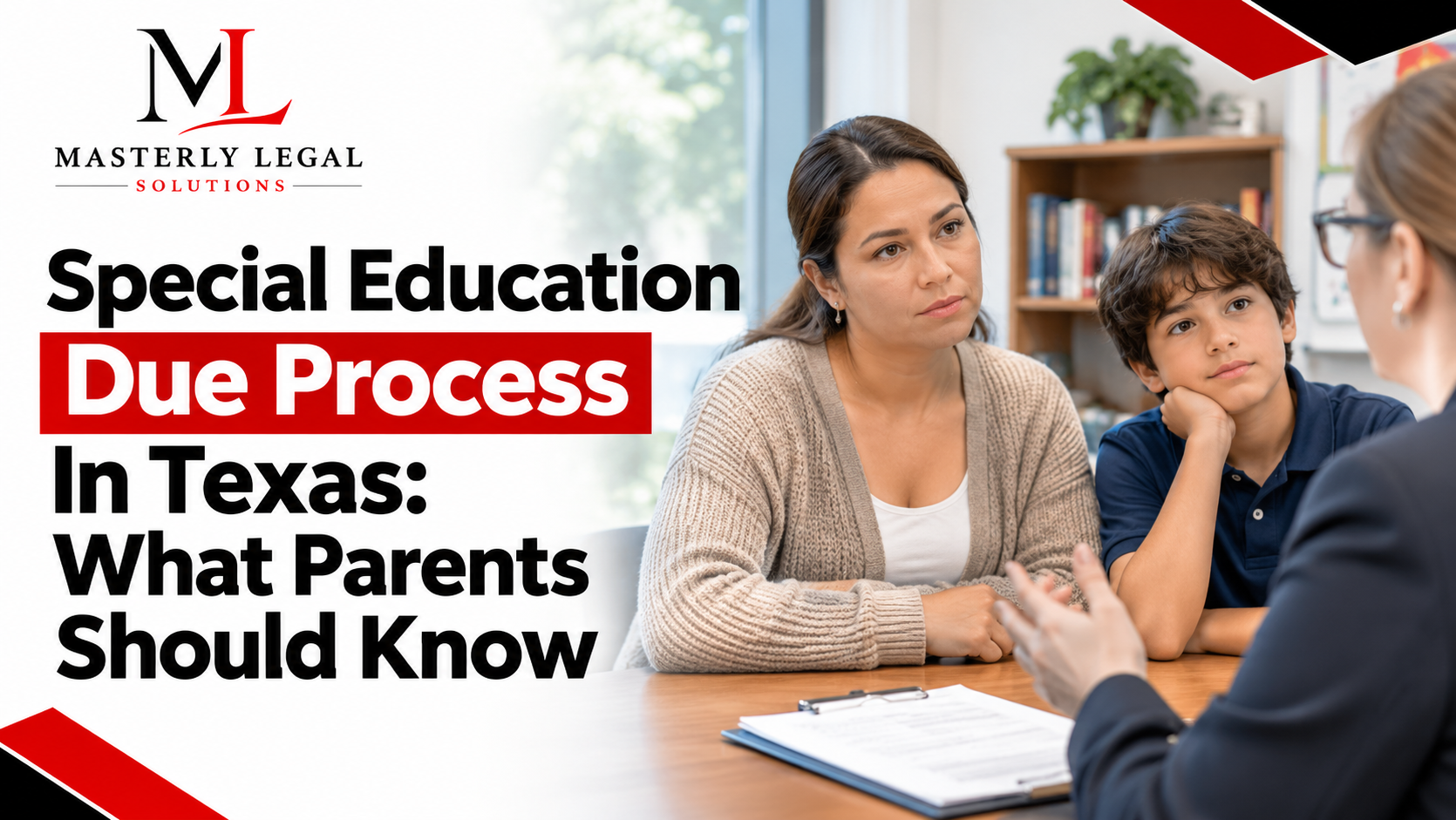
Special education due process in Texas for parents: mediation, state complaints, hearings, deadlines to confirm, and when to seek legal advice.
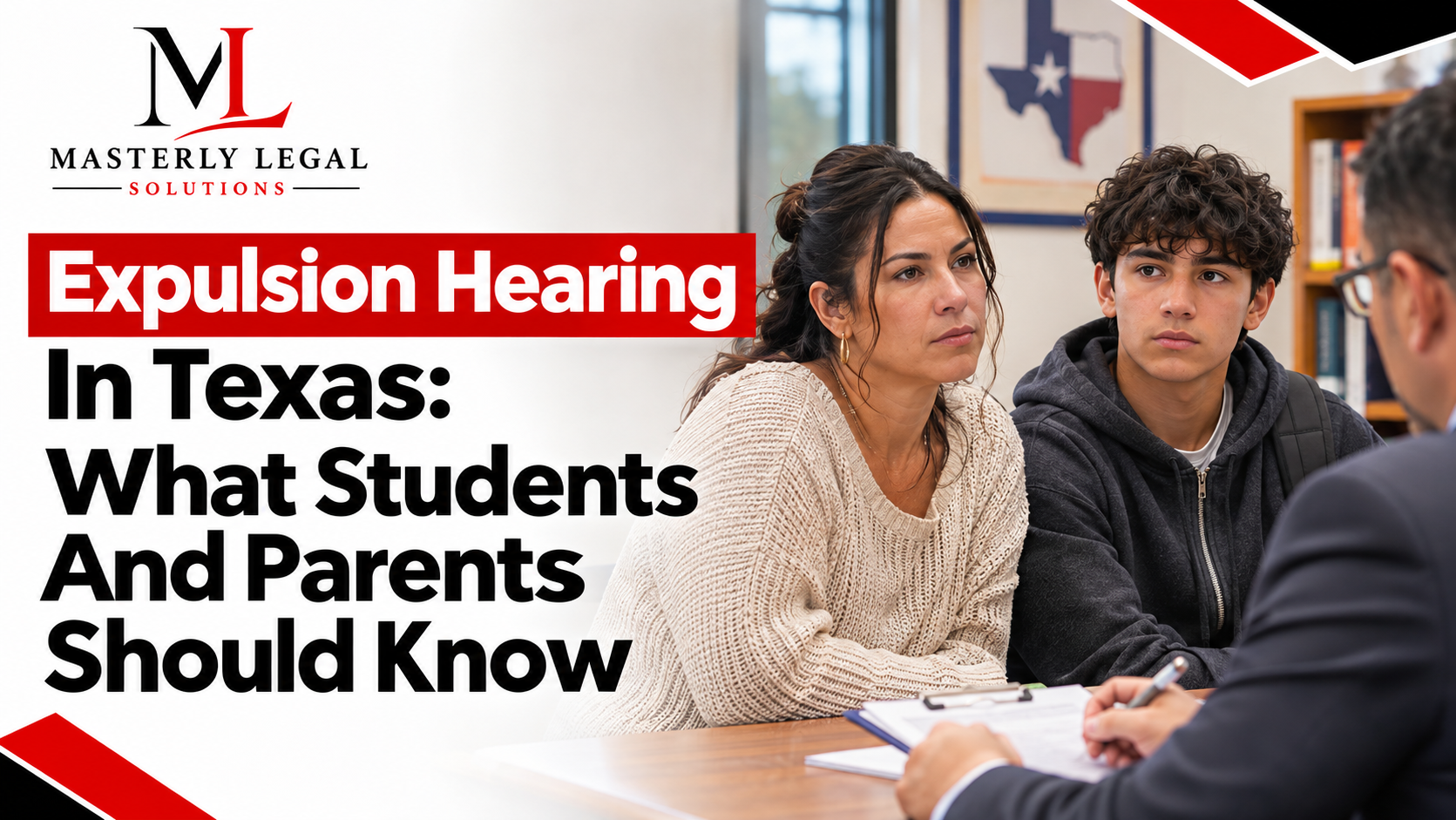
Expulsion hearing in Texas explained: when districts can expel, how the hearing works, what records to gather, and when to consider legal advice.
CPS drug test requests explained: why caseworkers ask, how voluntary requests differ from court orders, and when parents may want legal advice.

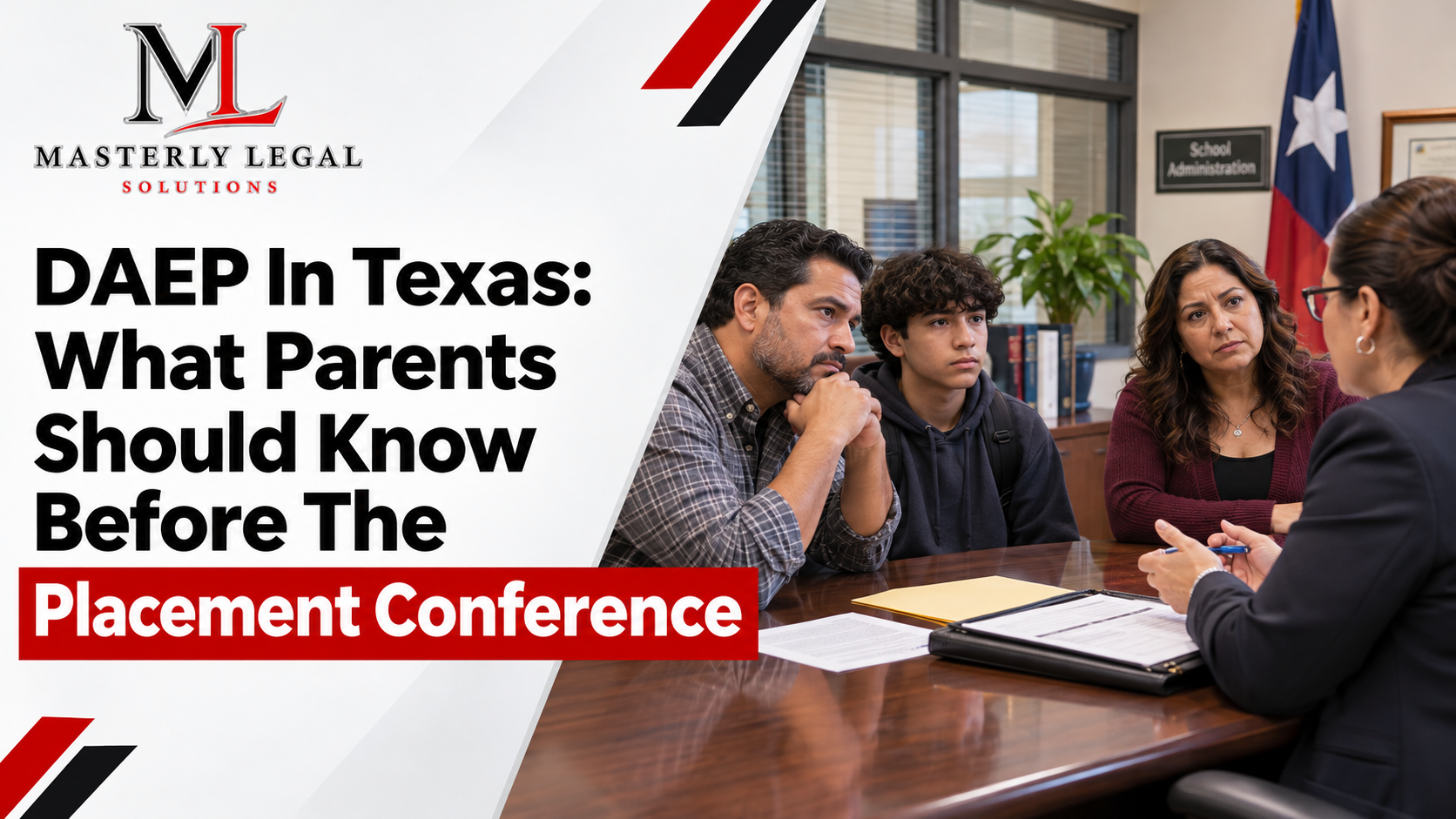
DAEP in Texas explained for parents: what the placement is, how the conference works, how long it lasts, and what questions to ask the district.
Constructive discharge in Texas: the legal standard, the factors courts weigh, how it differs from wrongful termination, and what to document.
How the Texas Whistleblower Act applies to public school employees: who is covered, what a report must be, relief available and deadlines.
Headlines and short excerpts come from the firm's public blog. The articles belong to Masterly Legal Solutions; the full text is on their website.
Free, no obligation. Sent through LawDB.
By submitting, you agree LawDB may contact you about your inquiry and will share these details with Masterly Legal Solutions so they can respond. See our Privacy Policy.